
How to Find Eco-Friendly Upholstery for Your Home
As more and more people desire to help the planet with eco-friendly options, more fabrics are made with eco-friendliness in mind. If you’re reading this article, thank you for keeping the planet we share in mind for choices in your home. Finding an eco-friendly couch starts with finding eco-friendly fabrics, but there is much more to consider.
What makes couch or chair fabric eco-friendly?
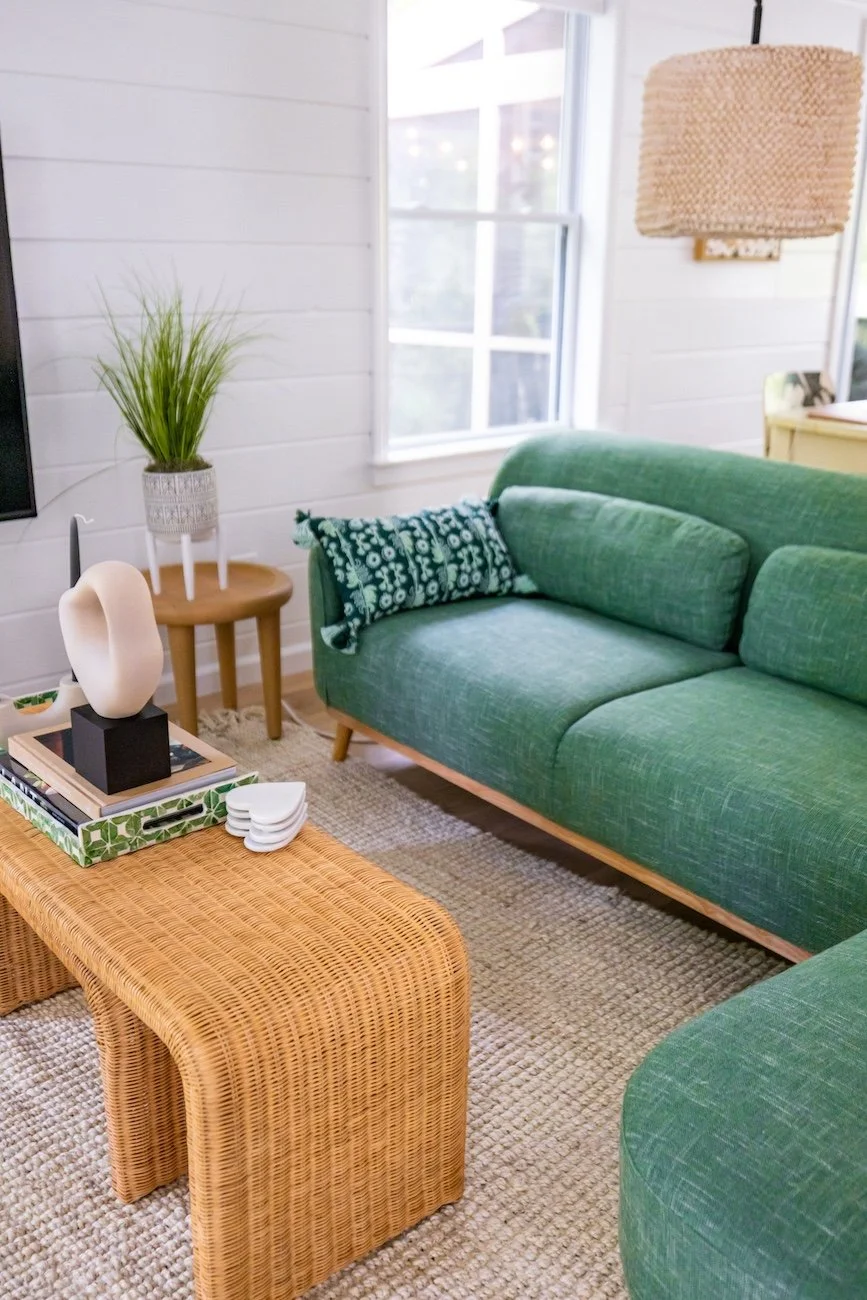
When upholstery is eco-friendly, it is made with the environmental impact in mind. The material the fabric is made from, how that material is grown, and the production of the fabric are what separates eco-friendly upholstery from the rest. First, the material should be from a sustainable source, grown in a way to use less water, use fewer chemicals, and promote growth and regrowth. Producers of couches that use suppliers who follow these guidelines are more eco-friendly.
In the production of the couch, there are a few more things that make upholstery sustainable. Using fewer chemicals and eco-friendly dyes are other factors in determining if upholstery is eco-friendly. Similar to carpets, upholstery can also have volatile organic compounds (VOCs) if less eco-friendly chemicals are used. Even though VOCs are natural in adhesives and help soften materials, they also decrease air quality and can cause harm to indoor and outdoor environments.
During the construction of the fabric, the tighter the weave of the fabric and stronger the couch will ensure that the couch lasts longer, making it more eco-friendly the longer it lasts.
How do you tell if upholstery fabric is eco-friendly?
Upholstered furniture has rating systems and checks that will show you their ratings for how eco-friendly the furniture is. One place to look up the Higg Index. They rate the sustainability of furniture and have those ratings available for members. Another organization is the Underwriters Laboratories. They give three tiers of Greenguard certification by measuring the amount of VOCs in the materials. The fewer the VOCs, the higher the rating. The next notable organization is the Global Responsible Textile Standards (GRTS). Building on the Global Organic Textile Standard (GOTS), GRTS extends the environmental standard to include recycled materials. They highlight responsible sourcing on an environmental level and human rights level. Lastly, the Global Recycled Standard (GRS) specifically tracks recycled materials by checking the sustainability of the supply of the recycled materials and the chemicals used when using the recycled materials. Checking the standards of organizations like these can lead you towards more eco-friendly options in your upholstery.
You can also do your own research into the company that creates the furniture to find their sustainability goals or buy recycled or pre-owned furniture. This keeps the upholstery from being thrown away in unsustainable ways.
Which materials are the most eco-friendly?
Natural materials like cotton, wool, linen, hemp, silk, or bamboo are the most obvious choices when looking for sustainable materials. They are all made from plants that continue to grow and produce without bringing too much harm to the environment. Finding a place that sources from organic plants are the most sustainable options you’ll find.
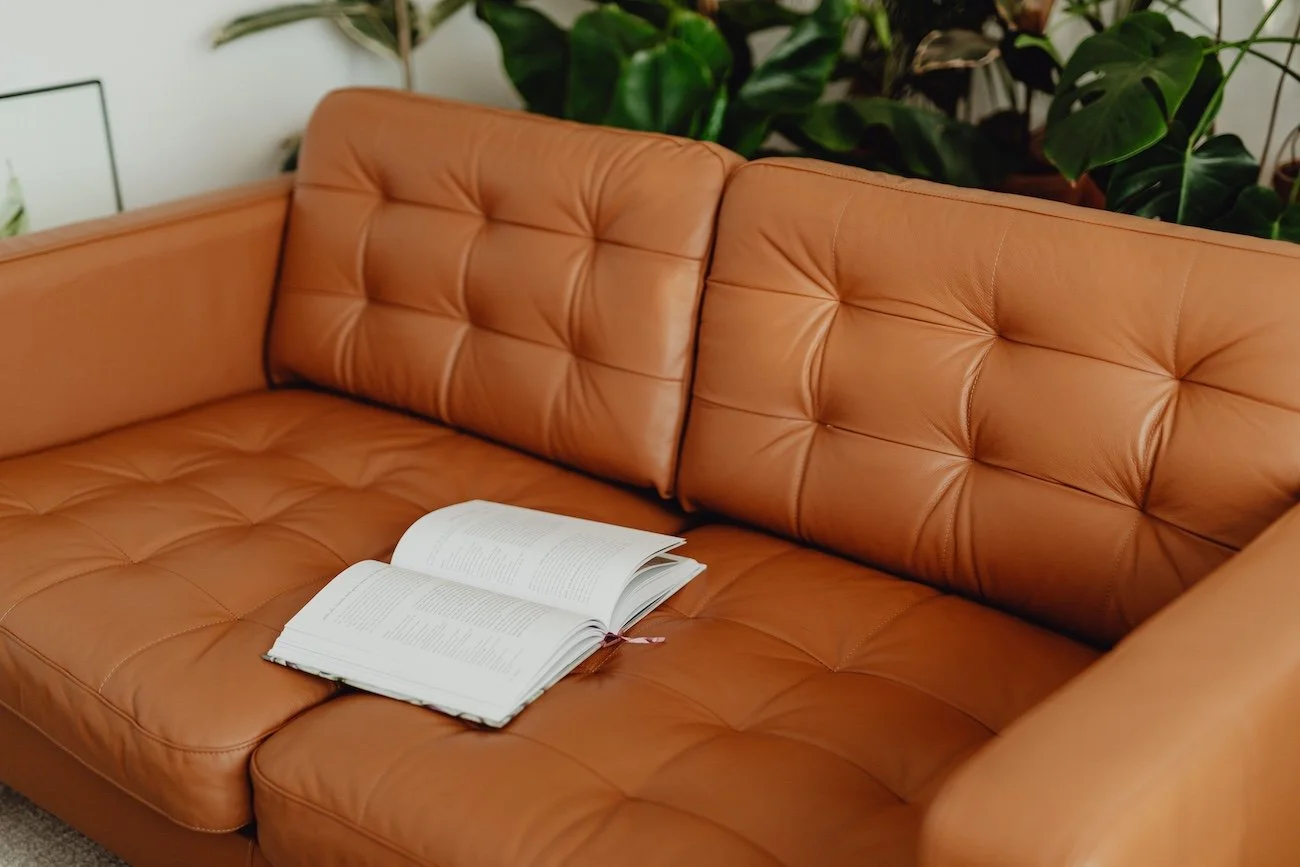
While leather doesn’t come from plants, the natural and synthetic forms are one of the longest lasting materials available for upholstery. Because it lasts for many more years than other materials and can be repaired, it is also sustainable for any home.
Not all synthetic materials are unsustainable, though many more sustainable synthetic options are recycled. Vinyl, polyester, and even plastics are good synthetic options that can be recycled or reused in new furniture to create more eco-friendly options for couches and chairs.
How do you clean couches in an eco-friendly way?
Whether you’re spot cleaning or deep cleaning, the best way to clean your upholstery in an eco-friendly way is to use eco-friendly products. Spot cleaners with harsh chemicals and deep cleaners with harsh soaps are ones to avoid. Some products will be labeled as eco-friendly, but be sure to ask your professional upholstery cleaners that don’t use harsh soaps if you have questions about the cleaners they recommend. Our unique method doesn’t use harsh soaps and leaves your couch better than it was before.
From eco-friendly carpets in our last blog, to eco-friendly upholstery in this one, you’re ready for a sustainable home. If you want to learn more about what we use to clean your home, check out our page on our unique cleaning process. Then, request a quote to get started refreshing your home before the winter is in full swing.