
How Durable Is Each Couch Fabric?
Life throws a lot at you and your couch. Durability is important for families, people with pets, and those who are looking for a couch to last a long time. As the cozy spot in your living room, you deserve a reliable, comfortable spot. Finding a durable couch helps you gain peace of mind that your couch can be a part of your home for as long as you want.
What makes a fabric durable?
Durability for couch fabrics is similar to carpets in that it can come down to how tightly woven the fabric is and the material. The more tightly woven the fibers of the fabric, the more durable it will be. With tightly woven fibers, there is a less chance for fraying and wear. The type of fabric will also factor into how durable your couch is. Some types of material are easier to clean, making it longer lasting when spills and messes are cleaned right away and your couch is vacuumed regularly.
Which synthetic materials are the most durable?
Synthetic materials are those made with non-natural materials and blends. They are usually engineered for a specific purpose, including durability, softness, and stain resistance.
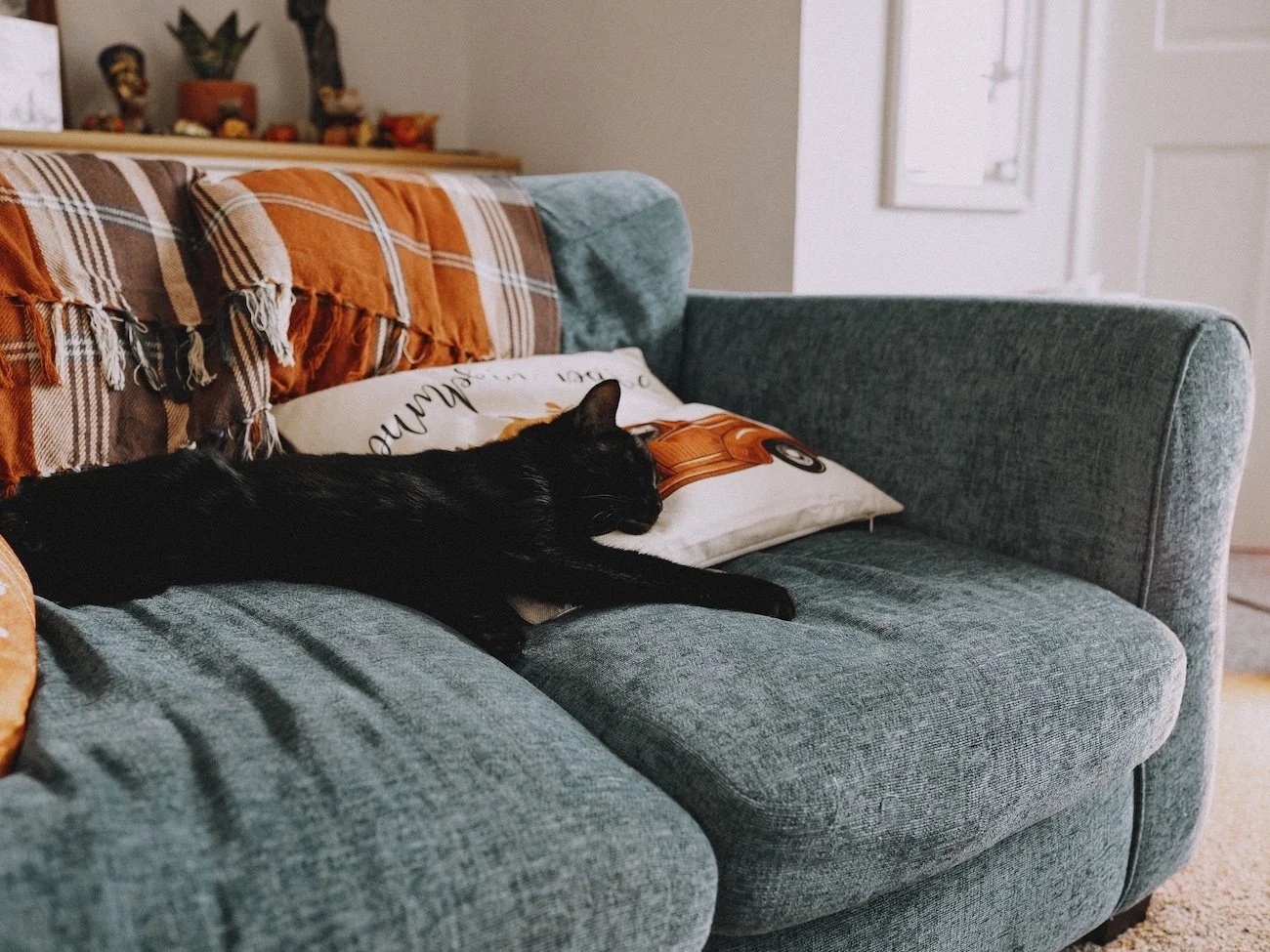
Polyester: As one of the most affordable and durable fabrics, it is a popular choice for many homes. It is made with durability and resistance to fading in mind. The main downsides to polyester is its synthetic feel and dense nature. It often traps heat and moisture, making it less ideal for warmer, more humid areas of your home.
Microfiber: Known for its softness, microfiber provides a synthetic version of suede focused on being easier to clean because it is liquid repellent. It is durable and meant to last a long time. While it is great for parties, it attracts hair and fur with them often sticking to the couch and will need to be vacuumed.
Acrylic: Not as common as polyester or microfiber, acrylic is a synthetic material as an alternative to wool. It is made to be a durable, more stain-resistant option. More commonly, you’ll find this blended with other fabrics, mostly polyester.
Vinyl: Vinyl is one material used for faux leather. It’s easy to clean and made to be durable and last a long time. It doesn’t show the same appealing wear as natural leather and doesn’t breathe as easily, but it stands up to spills and rough treatment.
Performance fabrics: Blending the best of synthetic and natural materials, performance fabrics are created to be the most durable, longest lasting, most stain-resistant for high-traffic areas of your home. While it may not have the same feel as natural fabrics, it tends to be easy to maintain with vacuuming and the occasional professional clean.
Chenille: The synthetic alternative to velvet offers the softness and texture that is unique along with reliable durability. The fibers of chenille loop, like loop pile carpets, so they will bounce back after you get up. However, you’ll need to be aware of snagging for pets claws.
Which natural materials are the most durable?
Natural materials are luxurious and those you can find in the wild, often made from plants or animals. Oftentimes, you’ll find faux versions of these made of synthetic materials that imitate their properties in order to be a little more sustainable. Each natural material has their own strengths and weaknesses to be aware of when choosing a couch for your home.

Cotton: While you’ll see cotton used in clothing, it can also be used for your couch. It is a breathable material that is suited for warm climates. Cotton is great for durability but is prone to staining.
Wool: Wool is naturally soft and stain resistant, making it a great option for those who like comfort and long-lasting couches. While durability is not its strong suit and ease of cleaning is a little more difficult than other materials, wool combines well with other materials to make up for the difference.
Silk: While it is rare to find silk on a couch, it does happen. The reason why it is not used on couches is because it is a delicate material, not durable, and not suitable for the frequent use of your couch.
Linen: Soft and sustainable, linen offers a great alternative to silk. It is breathable and durable, offering a great option for any season. Even though it is more prone to staining and fading over time, it is comfortable and often used in couch covers.
Leather: One of the most sought after materials, natural leather is classy, easy to clean, one of the most durable materials, and lasts a long time if conditioned correctly. Over time, it becomes softer, gaining patina. As one of the most expensive options, its quality speaks for itself. There are few downsides including its sensitivity to sunlight, vulnerability to scratching, heat it retains, and reliance on animal products.
Suede: Suede is naturally soft, bringing comfort and coziness to your home. While it can be durable, it is difficult to spot clean and gets marks on it easily.
Velvet: Luxurious and soft, velvet can add sophistication to any room. It’s resistant to water, making it stand up to staining and spills, easy to clean, and durable. The fibers attract hair and fur and can wear over time, requiring a little more care to maintain its look and feel.
Couches are loved and used regularly, especially if you like gathering around the living room with friends or family. The best way to maintain your couch is by getting regular upholstery cleaning. Contact us to request a quote or schedule professional upholstery cleaning.